DEADLOCK
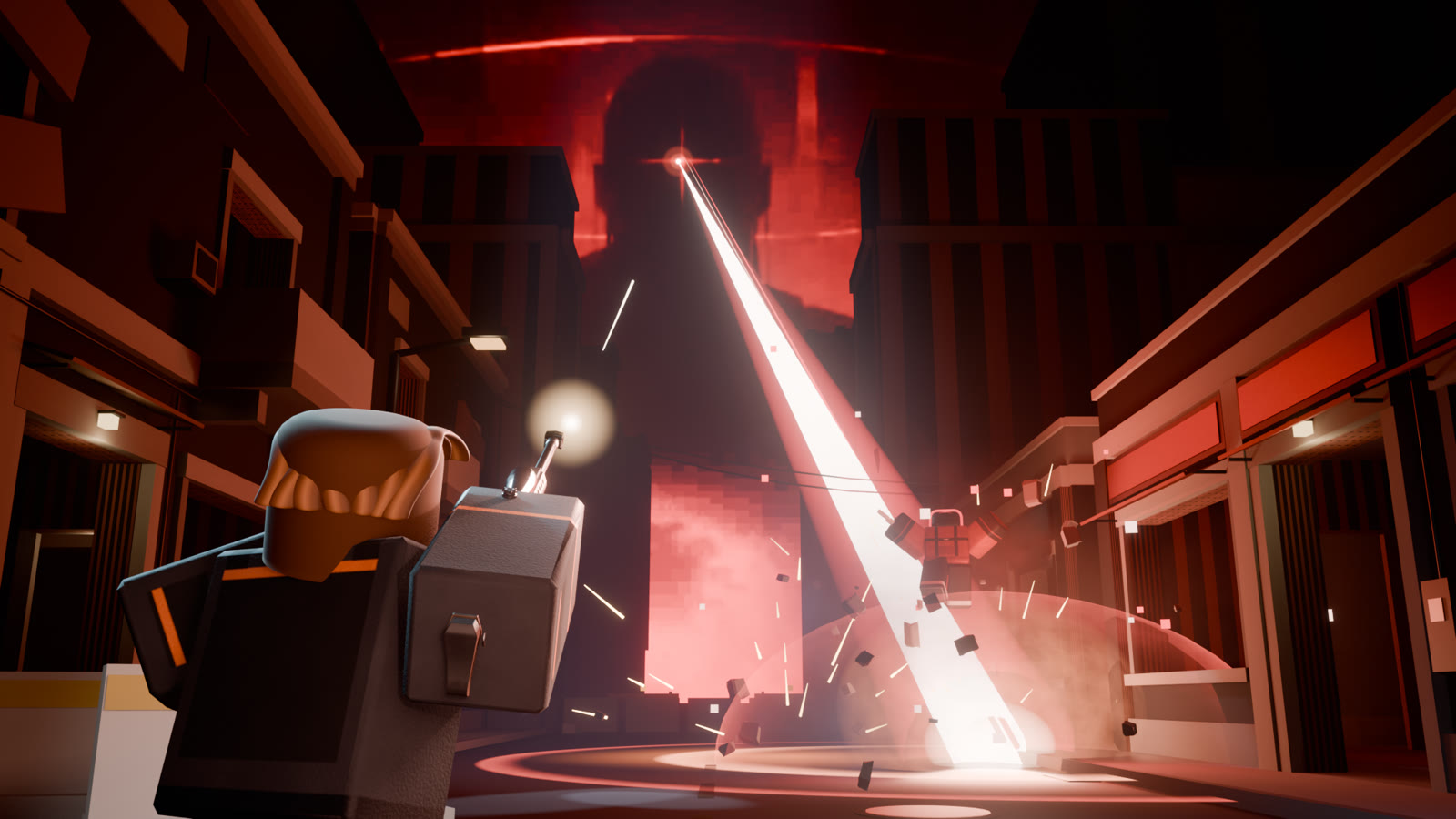
City streets under a crimson storm sky. A giant overseer watches the fight and fires down into it, and the whole map can be plunged into a blackout mid-round.

A fast-paced free-for-all arena shooter on Roblox. Quick kills, near-instant respawns, and abilities that change how each fight plays out.
Overview
KILL SWITCH is a free-for-all deathmatch for 10–12 players in five-minute rounds. It's inspired by fast shooters like DOOM and Quake. The goal was a game where you're never waiting around: you respawn in about three seconds, every kill heals you, and bots fill out the server so there's always someone to fight.
I'm the only person on the project. I wrote the design document and owned every decision after it: the gunplay, movement, abilities, maps, progression, UI, the light show, the original soundtrack (the menu theme and the NIGHTLIFE track, co-produced with a friend), and the trailer and key art used to market it. I built it with AI coding and art tools as my production team. I set the direction, playtested everything, and pushed each system until it felt right.
Design pillars
Three guns (Pistol, Shotgun and Sniper), each tuned to kill in about 0.4 seconds at its best range. I balanced them with simulations of the real hitboxes, then checked the numbers in game.
Pick one of Dash, Combat Stim, Barrier or Scan. Each one opens a different way to win a fight without making the game pay-to-win.
Kills heal you (more up close), earn credits, build streaks and fill a style rank. Crates earned in play unlock skins and rare weapon variants, each with its own wear and pattern.
Maps
City streets under a crimson storm sky. A giant overseer watches the fight and fires down into it, and the whole map can be plunged into a blackout mid-round.
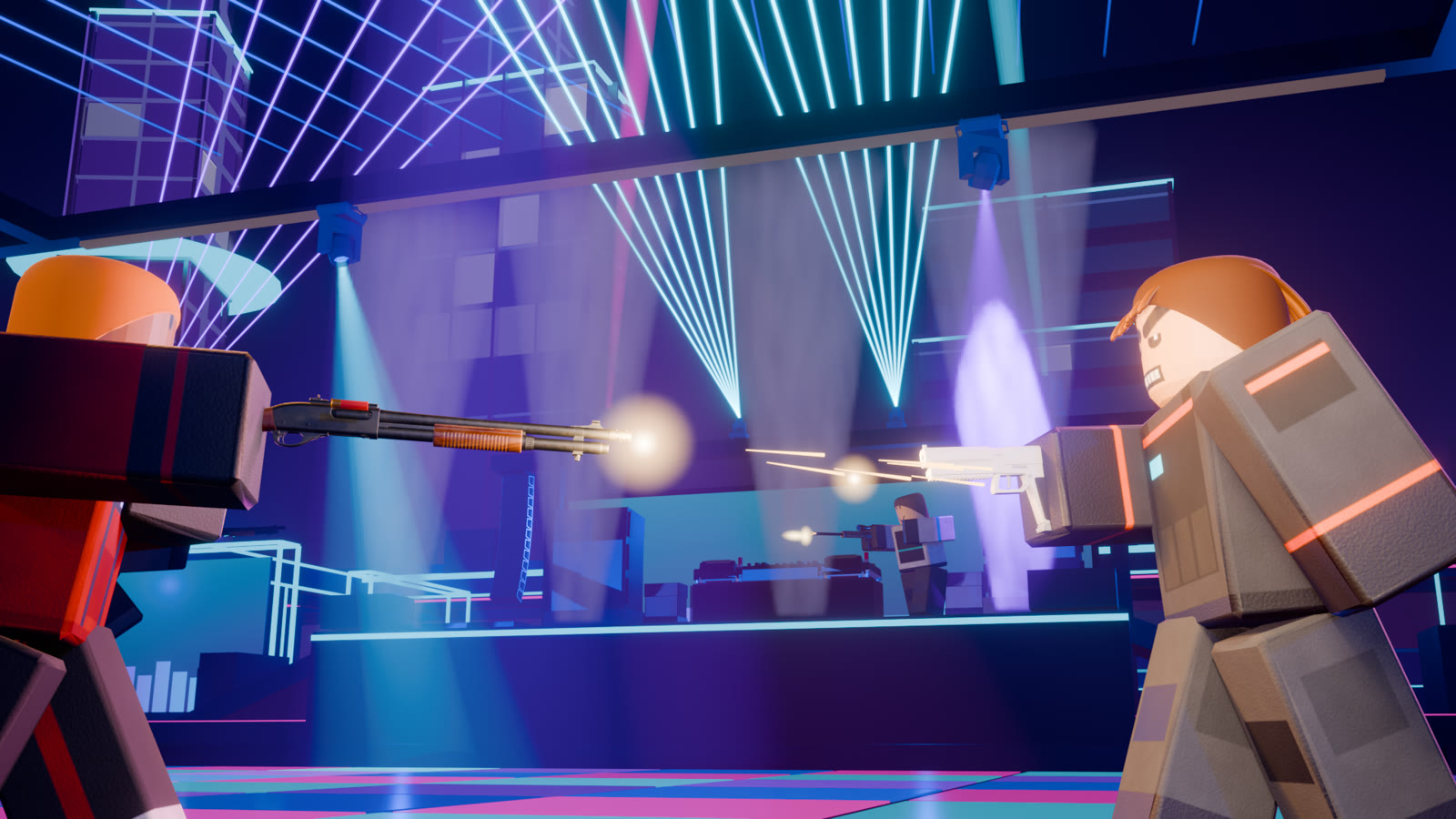
A nightclub with a full light show: lasers, moving heads, CO2 jets and a reactive dance floor, all choreographed to the music.
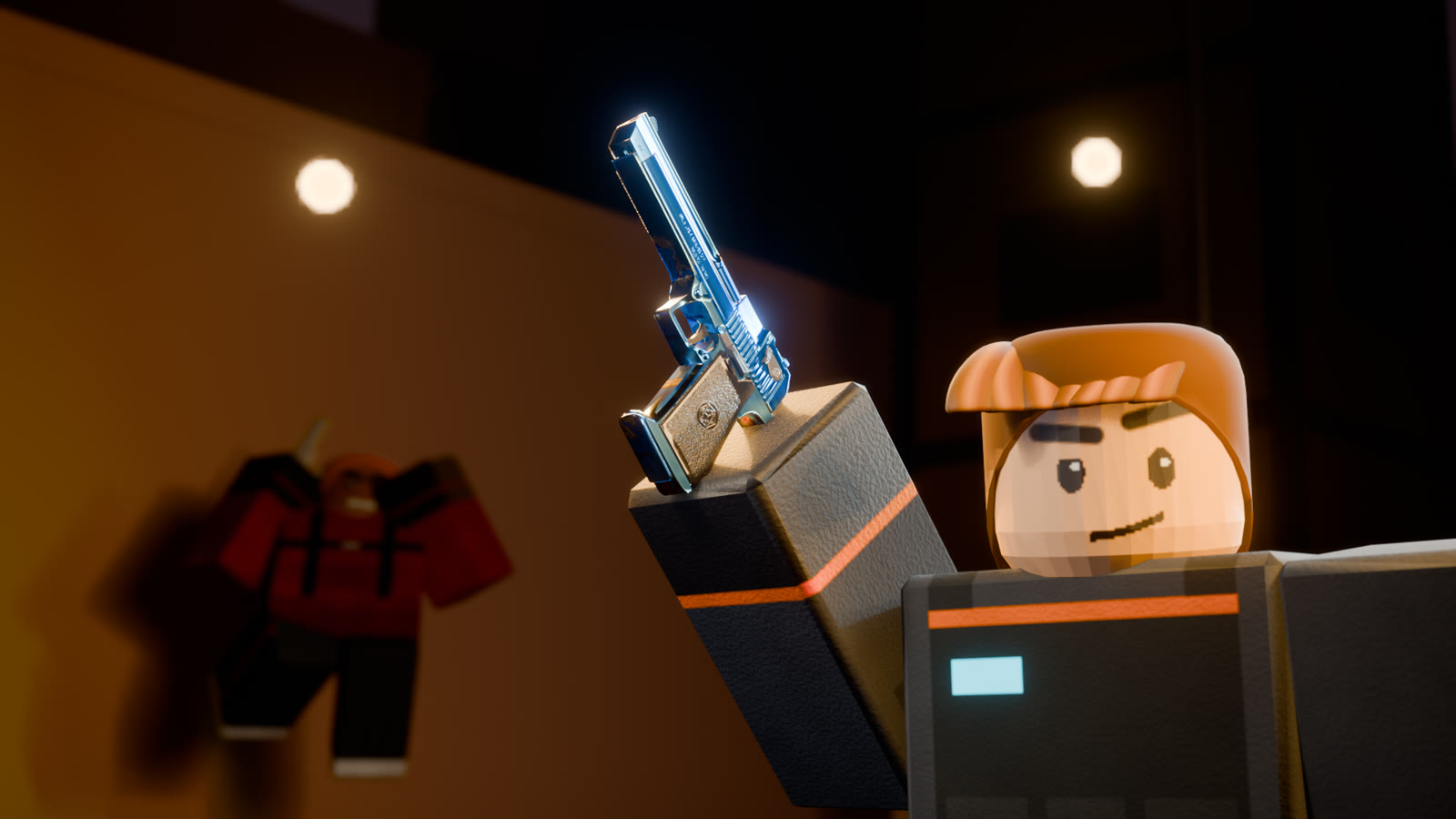
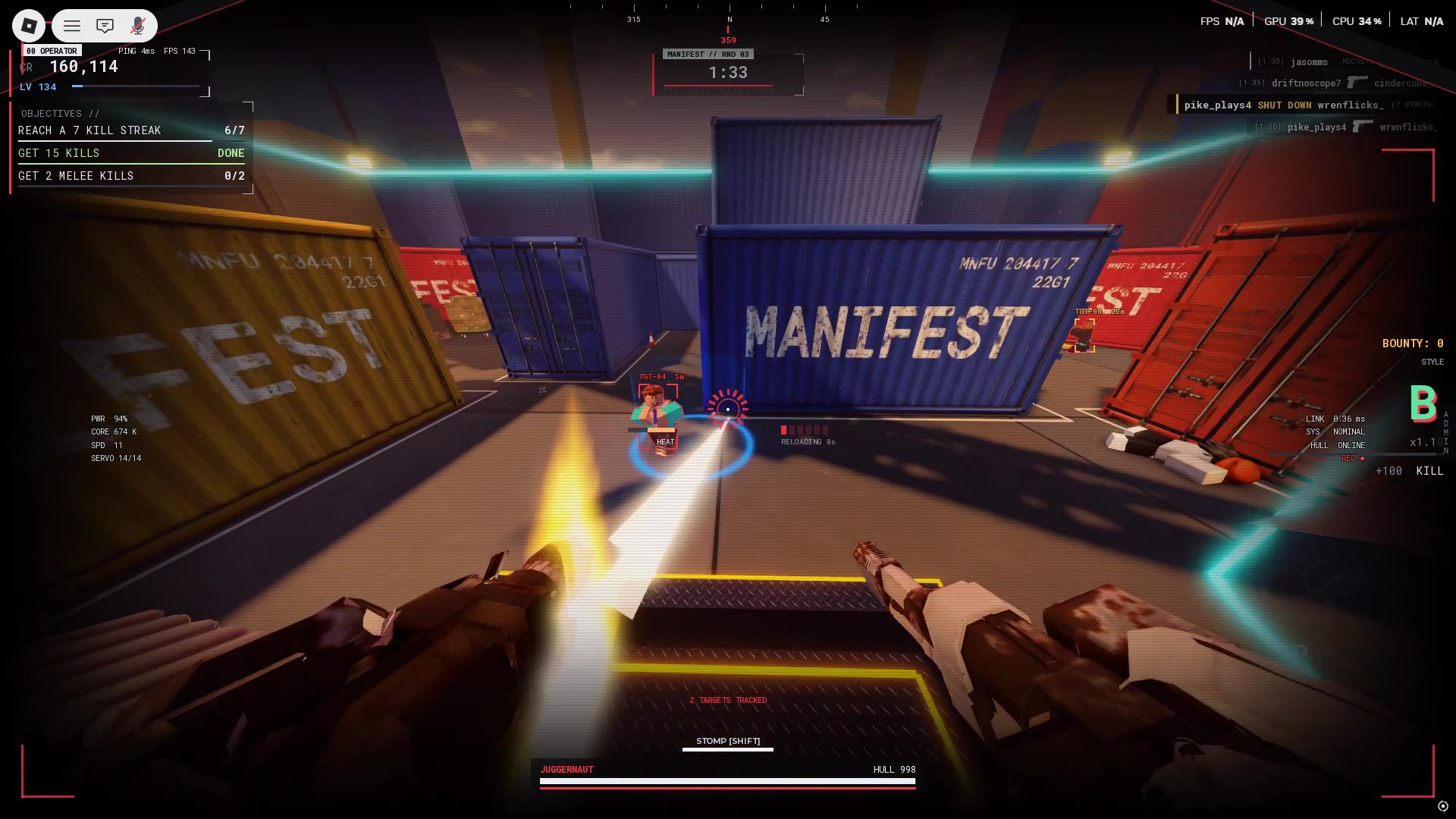
A floodlit shipping yard where stacked containers form tight lanes for close-range fights and long sightlines for snipers.
Direction
The part of the project I'm proudest of isn't any single system. It's making them all work together so the game feels like one coherent world.
Original soundtrack
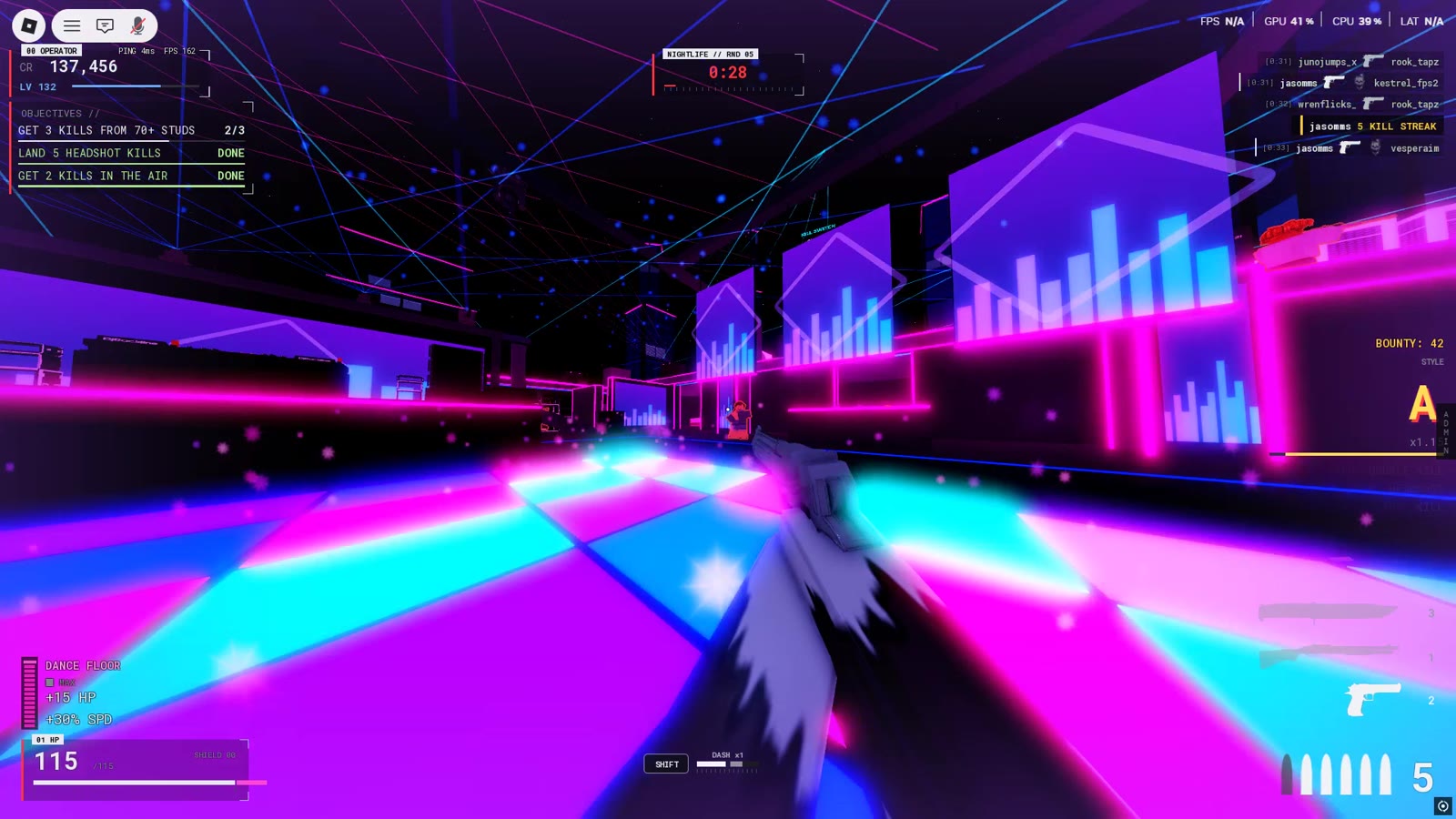
KILL SWITCH's music is original: a friend and I co-produced both the main menu theme and the NIGHTLIFE track that the club is built around. Because we made the songs, I could work from their actual stems and project files. Rather than flashing lights on a timer, I had the song analysed stem by stem: the bass, the beat and the lead synth that carries it. Every light in the club is choreographed to it. That's 456 synth notes, 94 bass hits, and every riser, drop and filter sweep taken from the song's own production.
Lasers, moving heads, CO2 jets, confetti, the dance floor and even the city skyline outside react in real time, and the lights cut out in the song's blackout sections. Standing on the dance floor gives you a health bonus, and its meter pulses with the music too.
I set the tone, gritty but readable, and framed the game as a combat simulation. That idea ties together the instant respawns, the bots and the glitch effects, and it's why dying shows "SYSTEM OFFLINE". The logo, menus, kill feed and calling cards all follow it.
The promotional art went through several rounds. I wrote shot briefs (camera angle, lighting, where the eye should land), judged every render at the tiny size players see it on Roblox, and threw out compositions that didn't read.
Weapon skins and rare variants each have their own wear and pattern, so no two copies look exactly the same. It's a collectible system inspired by the best in the genre, with no pay-to-win.
How I work
KILL SWITCH has the scope of a team project, and I built it alone by working with AI tools the way a director works with a crew. The judgment is mine: what the game should be, what "good" looks like, and when something isn't there yet.
A typical loop: I'd notice something in a playtest, like enemies' legs barely moving when they strafed. I'd pin down exactly what felt wrong, direct the fix, test it again, and keep going until it held up. Every system on this page went through that loop many times.
Engineering
A shooter has to feel responsive on the player's screen while the server stays in charge of what's fair. Here are some of the problems I found in testing and how we solved them.
Art & launch
I exported the real maps from the game into Blender and rendered the key art there, so every image shows places players can actually visit. Each one was checked at small sizes, since that's how most players first see a game on Roblox.
After launch
Since the public beta launched on 25 November 2026, I log every update with the version and time it went live. That way I can split the analytics by version and see whether a change actually helped.
Some of my biggest improvements came from feedback like "their legs don't move when they strafe". Making a tester's comment measurable, then fixing it, became my standard process.
Three guns and three maps, made well, beat ten made badly. I deliberately held back bigger ideas until the core loop was solid.
AI can produce a lot, fast. The hard part is knowing what to ask for, spotting what's wrong, and having the taste to say "not yet". That's where most of my time went.
The moments players remember come from systems working together, like a bass drop hitting just as the lights cut out mid-fight. I designed with that in mind.
Monetization is cosmetic: crates and skins, never power. Every design decision went through the question of whether players would resent it.
Play it
KILL SWITCH is free to play on Roblox, on PC, mobile and console.